
 Note: While I personally believe that the situation of the woman in John 8 is potentially more complex than consensual adultery, the account is probably most powerful if that is, in fact, what it was.
There she is, in the center of the hostile crowd—a woman, taken in adultery. Her actions obvious, the law clear. There are stones in the hands of those around her.
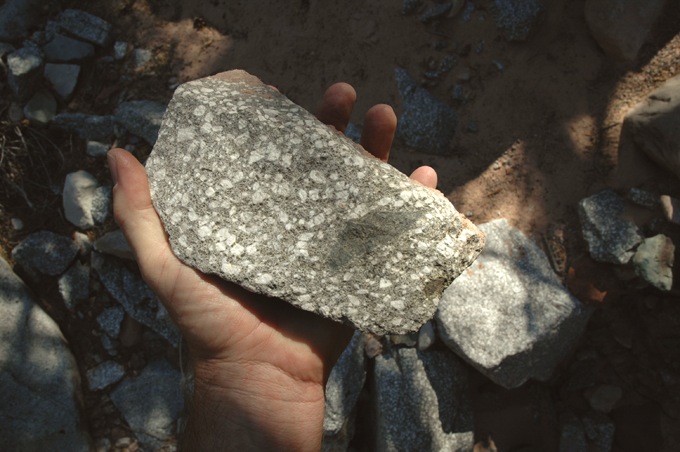
On the edge of the crowd, I imagine, may have been a woman holding the weight of accusation in her hand. She may have felt eyes on her, may have felt that by not holding the stone, by not being willing to hurl it, she would be condoning the action of which the woman was guilty. The stone represented, perhaps, her ability to recognize sin and willingness to decry it.
Then the words fell, He that is without sin among you, let him first cast a stone…
As the collective heaviness of their own foolish, blind, thoughtless, selfish acts rippled through the crowd, the rocks began to drop. And perhaps this peripheral woman felt, along with guilty awareness, a relief in this escape from judging and judgment. A salvation, though it was her own censure, the hell of righteous indignation, from which she was saved.
There was mercy for the woman who stood accused. There was also mercy for every person who dropped a rock. And the quiet assurance that there is no condemnation in refusing to condemn.
Because we are all convicted.
And redeemed.
I love this. This speaks to me, eloquently, and in a quietly powerful way. Thank you 🙂
"no condemnation in refusing to condemn"
I love that. Thank you for your concise and beautiful post today, Melissa. You are so good at saying so much in so few words.
Thanks to both of you
I just had a conversation today with someone about this subject…but hadn't read your post til this moment. Will be sharing it as it says so much more beautifully than I did, what is really important here. I love your way with words! ♥